
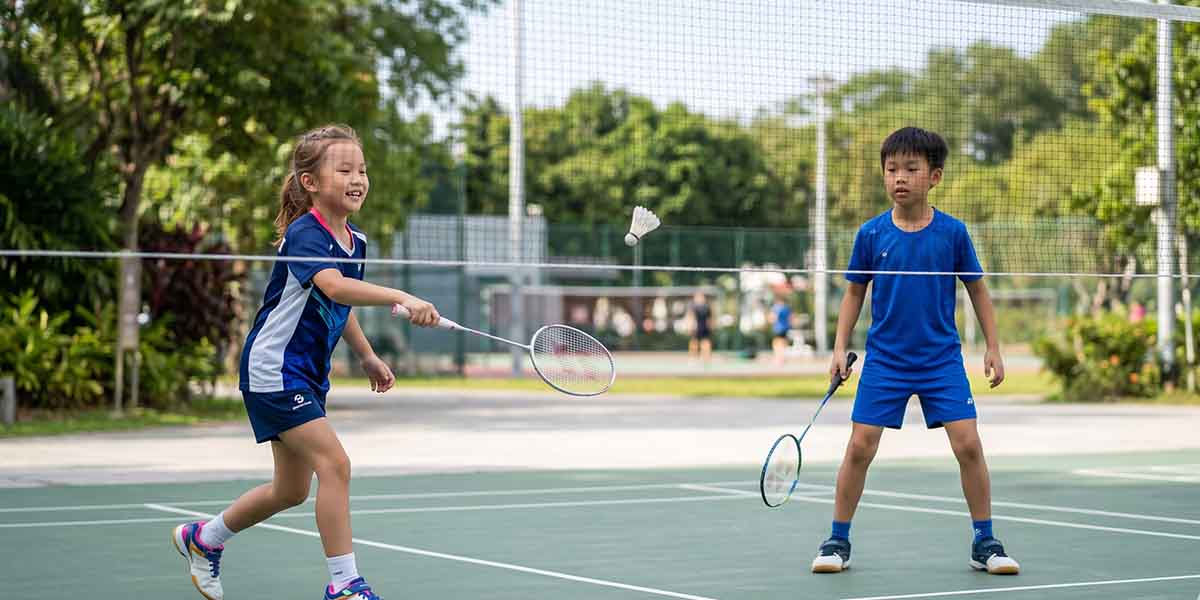
Badminton has grown into one of the most popular racket sports for children around the world, and for good reason. It is fast-paced, relatively easy to pick up, and can be played both indoors and outdoors. Whether your child has just started taking lessons or has been playing in junior tournaments for a couple of years, what they wear on the court matters more than most parents initially realize.
The right badminton outfit does more than just look the part. It directly affects how a child moves, how comfortable they feel during long rallies, and even how confident they appear stepping onto the court. Stiff, heavy, or poorly fitted clothing restricts movement and makes the game harder than it needs to be. On the other hand, lightweight, well-fitted sportswear lets kids focus entirely on the shuttlecock rather than tugging at their shirt or tripping over loose trouser hems.
This guide covers everything a parent needs to know about dressing their child properly for badminton — from choosing the right fabrics and fit to understanding the difference between casual play and competitive tournament standards.
Why the Right Outfit Actually Matters in Badminton
Before diving into what to buy, it helps to understand why clothing choices matter in this particular sport. Badminton involves a lot of quick lateral movement, sudden directional changes, lunges, jumps, and overhead swings. Unlike cricket or chess, there is no standing around waiting. A good rally can involve a child sprinting from one side of the court to the other in a matter of seconds.
Clothing that is too tight will limit a child’s reach and make those lunging returns nearly impossible. Clothing that is too loose can get in the way of the racket swing or cause the child to trip. Fabrics that trap heat and moisture will leave kids overheated and uncomfortable, which kills concentration during a match. This is why purpose-made sportswear, rather than everyday casual clothes, is always the better option when your child is playing seriously.
| 🎯 What Are You Looking For? | 👉 See Top Picks from Amazon |
|---|---|
| New to badminton? | ⭐ Best Beginner Rackets |
| Want powerful smashes? | ⭐ Best Head Heavy Rackets |
| Play aggressively? | Best Attacking Rackets |
| Prefer ultra-light rackets? | Best Lightweight Yonex Rackets |
| Curious what pros use? | Professional Players’ Rackets |
| Want premium gear? | Most Expensive Badminton Rackets |
| Loyal to Yonex Voltric? | Best Yonex Voltric Series |
The Core Pieces of a Kids’ Badminton Outfit
1. The Sports Shirt or T-Shirt
The top is probably the most important piece of a badminton outfit. You want something that is light, breathable, and moves with the body rather than against it. For children, this usually means a short-sleeved sports shirt made from a moisture-wicking polyester blend or a similar synthetic fabric designed to pull sweat away from the skin.
Cotton t-shirts might be comfortable for lounging around, but they absorb sweat and become heavy and clingy during physical activity. For children who tend to get hot quickly, mesh panelling on the back or underarms makes a real difference in keeping them cool throughout a session.
Fit-wise, look for something that is relaxed without being baggy. A slight stretch to the fabric is a bonus, as it allows a full overhead swing without the shirt riding up. Many junior badminton tops also come with slightly longer backs to ensure coverage during those deep lunges and net drops.
2. Shorts, Skirts, and Skorts
For boys, sports shorts are the standard choice. These should sit comfortably at the waist — usually with a drawstring or elastic waistband — and fall somewhere between mid-thigh and just above the knee. Anything shorter can feel uncomfortable during movement, while anything much longer can restrict the stride. Lightweight polyester or nylon shorts with a bit of stretch work best.
For girls, there are three main options: shorts, skirts, or skorts (the combination of a skirt with built-in shorts underneath). Skorts have become particularly popular in junior badminton because they offer the freedom of shorts while maintaining a traditional sports look. Many girls simply prefer them for the added confidence they provide during quick movements and jumps.
Avoid jeans, leggings with no stretch, or anything with heavy seams, zips, or embellishments along the hips, as these will be uncomfortable and restrictive during play.
3. Badminton Shoes — Often Overlooked, Always Critical
If there is one area where parents should spend a little more, it is footwear. Proper badminton shoes are designed specifically for indoor court surfaces. They have non-marking rubber soles with good grip, reinforced toe caps for those forward lunges, and cushioning in the heel and forefoot to absorb the impact of sudden stops and jumps.
Running shoes or casual trainers are not suitable substitutes. They are built for forward motion, not the multi-directional lateral movement that badminton demands. Wearing the wrong shoes increases the risk of ankle rolls and knee strain, particularly in growing children whose joints are still developing.
Brands like Yonex, Victor, Li-Ning, and Babolat all produce junior-specific badminton shoes. Make sure there is about a thumb’s width of space at the toe, and check the fit across the widest part of the foot as well. Children’s feet grow fast, so check the fit every few months.
4. Socks That Actually Support
Sports socks might seem like a minor detail, but the wrong socks can cause blisters and discomfort that ruin an entire session. For badminton, look for cushioned sports socks with some ankle support. Crew length socks that sit above the ankle are generally more protective than low-cut ankle socks, especially for children who are still developing their footwork.
Moisture-wicking materials work well here too. Some brands even produce towelling-soled badminton socks with extra cushioning at the ball of the foot and heel, which are worth the investment for kids who train frequently.
Fabric Choices: What to Look for on the Label
Understanding fabrics takes a little of the guesswork out of shopping. Here is a breakdown of the most common materials used in children’s badminton clothing and how they perform:
- Polyester: The go-to fabric for most sports clothing. Lightweight, quick-drying, and excellent at wicking moisture away from the skin. Holds its shape well after washing and does not shrink. Most badminton tops and shorts are primarily polyester.
- Nylon: Similar to polyester but with a slightly softer feel and even better durability. Often used in shorts and skorts. Nylon blends tend to be stretchy and very comfortable during active movement.
- Spandex/Lycra (added in small amounts): Usually blended with polyester or nylon to give garments stretch and recovery. Even a small percentage — around 5-10% — makes a significant difference in how freely a child can move.
- Cotton (in small blends): Pure cotton is generally not ideal for badminton, but a small cotton blend can add softness and comfort, particularly in waistbands or collar areas. If the shirt is more than 50% cotton, it is probably not the best choice for active play.
- Mesh panels: Not a fabric type on its own, but worth mentioning. Open-weave mesh inserts on the sides, back, or underarms significantly improve ventilation and are particularly useful for children who tend to overheat.
Getting the Fit Right for Growing Bodies
One of the challenges of buying sportswear for children is that they grow so quickly. The temptation to buy a size or two larger to get more wear out of an outfit is understandable, but it can actually hinder performance and even cause accidents on the court.
Oversized shirts can get caught in the racket swing or droop over the child’s face when they bend forward. Shorts that are too long can catch on the knee during lunges or flap noisily during movement. A properly fitted outfit should feel comfortable and unobtrusive — the child should not be aware of their clothing while playing.
When in doubt, refer to the brand’s sizing guide rather than simply going by age. Children’s builds vary considerably, and a 10-year-old can easily fall into a size labelled for 8-9 or 11-12, depending on their height and frame. Check the chest, waist, and inside leg measurements against the chart provided.
Buying one size up is acceptable only if the garment has a drawstring waist or if there is a stretch element in the fabric that compensates. Otherwise, stick to the correct current size and plan to replace the outfit when it is outgrown.
Casual Play vs. Tournament Dressing
There is a difference between what your child wears for a casual hit-about in the garden or at the local leisure centre and what they should wear for a formal junior tournament.
For casual backyard or recreational indoor play, any comfortable light sportswear will do. A breathable t-shirt, sports shorts, and decent trainers are perfectly fine. The focus here is fun and participation rather than performance or appearance.
For club training sessions and junior tournaments, proper badminton attire becomes more important. Most clubs will have at least a general dress code, and some tournaments may require specific colours or even branded club kits. Check with your child’s club or tournament organiser well in advance to avoid any surprises on the day.
If your child competes at a higher level — regional or national junior tournaments — a proper kit becomes non-negotiable. Dedicated badminton tops with a collar (polo-neck styles), matching shorts or skorts, and proper shoes are standard at this level. Wearing the correct kit also helps children feel professional and mentally ready to compete.
Top Brands for Junior Badminton Clothing
Not all sports brands devote equal attention to badminton-specific clothing, but several have a strong junior range worth knowing about:
- Yonex: Probably the most recognised name in badminton. Their junior clothing range includes well-engineered shirts, shorts, and skorts designed specifically for the sport. The quality is consistently good, and their sizing tends to run true.
- Victor: A Taiwanese brand with a strong following in Asia and growing popularity worldwide. Victor’s junior range is excellent, particularly their shirts, which use soft, stretchy fabrics that move well.
- Li-Ning: A Chinese brand that sponsors many elite international players. Their junior clothing is of good quality and often less expensive than Yonex or Victor, making it a popular choice for families watching their budget.
- Forza: A Danish brand that has built a solid reputation in European badminton circles. Their kids’ kits are well-made and come in a range of colours and styles.
- Adidas and Nike: Both produce general sportswear that works reasonably well for casual badminton, though neither offers clothing designed specifically for the sport. Fine for beginners and recreational play.
Weather, Indoor vs. Outdoor, and Layering
Most competitive badminton is played indoors, where conditions are relatively controlled. However, garden and recreational badminton is often played outside, and weather becomes a factor.
For outdoor summer play, the standard shorts-and-t-shirt combination works perfectly. In cooler weather, a light sports jacket or zip-through hoodie that can be removed once warmed up is a practical addition. Look for something that is thin and unrestrictive — a heavy hoodie or thick sweatshirt will slow movement and cause overheating once the rally gets going.
For indoor halls that can get cold during winter months — particularly older leisure centres — a thermal base layer under the badminton shirt can help keep muscles warm during the warm-up phase. Once the body temperature rises, the base layer will continue to wick moisture effectively.
Knee supports and ankle braces are also worth considering if a child has a history of joint issues or is returning from an injury. These do not interfere with the outfit but can provide extra protection during play.
Practical Tips for Parents When Shopping
Shopping for junior sports clothing does not have to be complicated. A few practical pointers that save time and money:
- Buy from badminton-specialist retailers or the brand’s own website where possible. General sportswear shops often carry limited badminton-specific ranges.
- Check the care label before buying — clothing that can only be hand-washed or dry-cleaned is not practical for active children.
- Bring your child along when buying shoes. Feet should be measured and the shoes tried on with the socks they will wear during play.
- Stock up on two or three sets of training clothes if your child plays more than twice a week. Having enough to rotate through without relying on same-day washing makes life much easier.
- Darker colours and patterns are generally more forgiving of sweat marks and court dust than plain white. That said, white or light colours are traditional in badminton and may be required at certain clubs or tournaments.
- Check second-hand sports kit groups and local club sales for good-condition branded junior kit. Since children grow quickly, barely-used high-quality items often turn up at reasonable prices.
Getting Kids Involved in Choosing Their Kit
One thing that is easy to overlook: children are far more likely to be enthusiastic about wearing their kit — and by extension, turning up to training — when they have had some say in what it looks like. Within the boundaries of what is practical and appropriate, letting your child pick the colour, the design, or at least the brand goes a long way.
Junior badminton clothing now comes in a wide range of colours and patterns. Gone are the days when sports kits were restricted to white or navy blue. Bright yellows, teals, coral pinks, and geometric patterns are all available from reputable brands. A child who loves their kit is a child who will be more motivated to wear it, train harder, and take pride in their game.
This is also a good opportunity to talk to children about the purpose of sports clothing — why fabrics matter, why shoes need to fit correctly, and how looking and feeling prepared for a sport contributes to playing it well. These are small lessons in taking care of equipment that will serve them well in every sport they try.
How Often Should You Replace Kids’ Badminton Clothing?
Children grow fast, and sports clothing needs to keep pace. As a rough guide, check the fit every six months or so, particularly for shoes. If the fabric has become thin, the elastic in the waistband has gone loose, or the seams are starting to fray, it is time to replace the item regardless of how long it has been in use.
Shoes typically need replacing more frequently than clothing. A child who trains three or more times per week will go through a pair of badminton shoes faster than their clothing. Watch out for worn-down soles (which reduce grip and increase the risk of slipping), compressed heel cushioning, and any splitting in the upper material around the toe area.
Washing sportswear too frequently at high temperatures will also degrade the moisture-wicking properties of the fabric over time. Always wash sports clothing in cool or warm water (30-40°C) and avoid tumble drying if possible. This keeps the technical properties of the fabric working for longer.
Final Thoughts
Kitting out a young badminton player does not have to involve spending a fortune, but it does require a bit of thought. The core requirements — a lightweight, moisture-wicking top, well-fitted shorts or a skort, proper badminton shoes, and good sports socks — are the foundation of every good junior kit. Everything else builds from there.
When children are comfortable, mobile, and appropriately dressed for their level of play, they simply perform better. They enjoy the sport more, stay safer on the court, and build good habits about preparation that will stick with them throughout their sporting lives. Badminton is a wonderful sport for children of all ages and abilities, and the right outfit is one of the easiest ways to set them up to get the most out of every session.
| 🏸 Need Better Comfort & Performance? | 👉 Explore Top Picks from Amazon |
|---|---|
| Want better grip on court? | ⭐ Best Non-Marking Badminton Shoes |
| Just starting out? | Best Beginner Badminton Shoes |
| Carry gear like a pro? | Best Badminton Bags |
| Confused about string tension? | Best String Tension Guide + Top Strings |
| Need an all-in-one starter kit? | Portable Badminton Racket Sets |
| Protect your eyes during fast rallies? | Best Badminton Glasses |
| Upgrade your court style? | Comfortable Badminton Outfits |



Add comment