
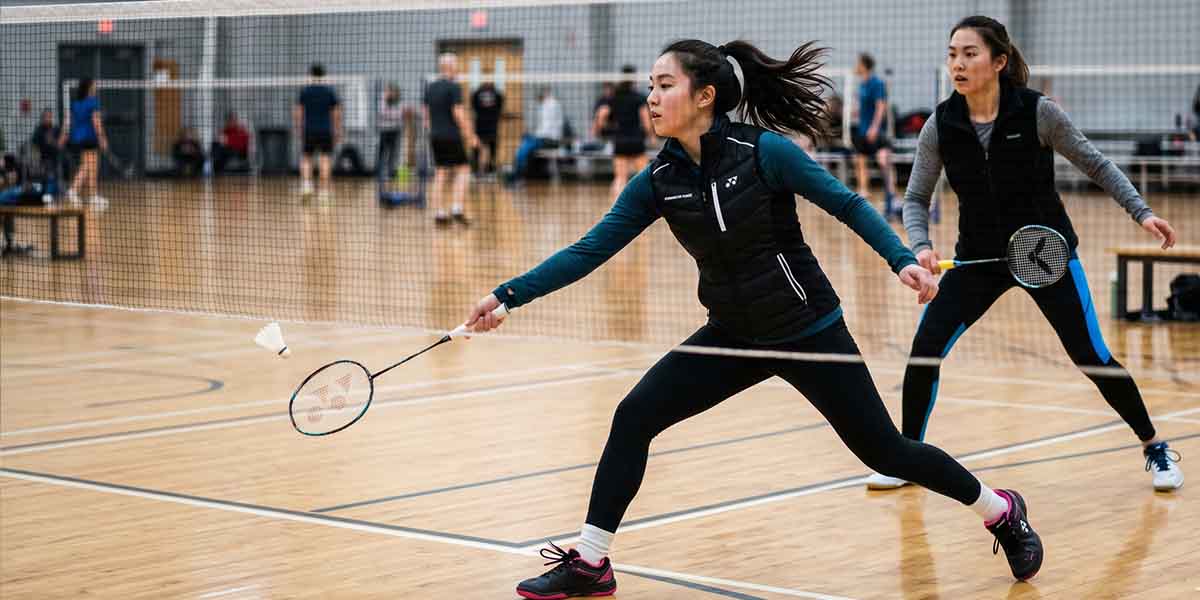
Badminton is a sport that demands quick reflexes, fast footwork, and constant movement — and winter brings its own set of challenges to the court. Whether you play indoors at a local sports hall or brave the elements in an outdoor setting, dressing right for cold-weather badminton is something most players overlook until they start feeling sluggish, tight, or simply uncomfortable mid-game.
The truth is, your outfit affects your performance more than you might think. Too many layers and you overheat. Too few and your muscles stay cold, making you prone to pulls and cramps. Getting that balance right is what this guide is all about. Here, we break down everything — from base layers to footwear — so you can step onto the court fully prepared, whatever the temperature outside.
Why Winter Badminton Outfits Deserve Special Attention
Most badminton players stick with the same kit year-round — a light polo or T-shirt, shorts, and court shoes. That works perfectly in summer, but in winter, especially in poorly heated halls or outdoor courts, that same outfit can leave you cold, stiff, and performing well below your best.
Cold muscles don’t respond as fast. Your joints feel stiffer. Your warm-up takes longer. And if you’re playing somewhere with drafts or low heating, the cold can creep in even while you’re rallying hard. The right clothing helps your body regulate temperature efficiently — warming up fast and staying warm without letting you overheat.
Winter outfits for badminton are also about injury prevention. Tight, cold hamstrings and calves are the first things to complain when you’re making lunges or sudden directional changes. Keeping those muscle groups warm through the right clothing choices can genuinely reduce your risk of strains.
| 🎯 What Are You Looking For? | 👉 See Top Picks from Amazon |
|---|---|
| New to badminton? | ⭐ Best Beginner Rackets |
| Want powerful smashes? | ⭐ Best Head Heavy Rackets |
| Play aggressively? | Best Attacking Rackets |
| Prefer ultra-light rackets? | Best Lightweight Yonex Rackets |
| Curious what pros use? | Professional Players’ Rackets |
| Want premium gear? | Most Expensive Badminton Rackets |
| Loyal to Yonex Voltric? | Best Yonex Voltric Series |
The Layering Principle: Your Best Friend in Winter
The foundation of any good winter sports outfit is the layering system. It’s a concept borrowed from outdoor and winter sports, but it applies just as well to an indoor badminton court on a freezing January evening. The idea is simple: instead of one thick garment, you wear multiple thinner layers that each serve a different purpose.
Base Layer: The One Closest to Your Skin
The base layer sits directly against your skin and its main job is moisture management. When you play, you sweat — even in winter. A good base layer pulls that moisture away from your skin and lets it evaporate, so you don’t end up feeling damp and cold between rallies.
For badminton, look for:
- Compression-style long-sleeve tops made from polyester or nylon blends
- Fabrics labelled as moisture-wicking or Dri-FIT type materials
- A snug but not restrictive fit — you need full range of arm and shoulder movement
- Avoid cotton at this layer — it holds moisture and gets cold quickly
Thermal base layers are also available and work brilliantly when temperatures drop significantly. Brands like Under Armour, Nike Pro, and Decathlon’s own Kalenji range offer affordable options that do the job well.
Mid Layer: Insulation Without Restriction
This is the layer that keeps warmth in. For most indoor badminton scenarios, this might just be a lightweight fleece or a long-sleeve sports top. The key here is that it should be breathable and not restrict your swing or footwork.
A good mid layer for badminton in winter is often a lightweight half-zip or zip-up sweatshirt in a sports fabric. These allow you to ventilate when things heat up by unzipping slightly, without having to take the layer off entirely. Avoid heavy fleece or wool — they’re too bulky for the rapid arm movements badminton requires.
Outer Layer: For Before and After Play
Unless you’re playing outdoors, your outer layer mostly serves before the game starts and once it ends. A lightweight tracksuit jacket or windbreaker is ideal. Wear it while warming up, then take it off once you’ve broken a sweat and your muscles are loose.
For outdoor badminton in winter — which, admittedly, most serious players avoid — a light waterproof shell layer might be necessary. Just ensure it’s not so stiff that it restricts your arm swing.
Bottoms: Keeping Your Legs Warm and Mobile
Many players default to shorts even in winter, relying on the warmth generated by movement to keep their legs comfortable. This works once you’re in full flow, but during warm-up or when sitting out between games, it can leave your legs stiff and your knees feeling the cold.
Compression Tights or Leggings
Compression leggings or tights have become hugely popular across racket sports. They keep your leg muscles warm, improve blood circulation, and reduce muscle vibration during movement. In winter, they’re practically essential. Wear them under your shorts if you prefer that look, or simply wear them on their own — both are completely normal on a badminton court these days.
Tracksuit Bottoms and Joggers
If compression tights aren’t your thing, lightweight tracksuit bottoms or slim-fit joggers are a great alternative. Choose sports-specific ones that taper at the ankle — loose bottoms can interfere with footwork and feel cumbersome during fast exchanges. Look for ones with a small amount of stretch so they move with you during lunges and lateral movements.
Many badminton players keep shorts in their bag and switch after they’ve warmed up fully. It’s a practical approach — start in joggers or tights, then change into shorts once your body temperature has risen and the court feels warmer.
Socks and Footwear: Don’t Ignore Your Feet
Your feet are arguably the most important part of your body in badminton. The quick starts, stops, and directional changes all happen through your feet. Cold feet mean slower reactions and greater risk of ankle rolls.
Socks
In winter, consider upgrading from standard thin court socks to:
- Slightly thicker cushioned sports socks that offer more warmth at the sole
- Moisture-wicking socks to keep feet dry throughout play
- Ankle-length or mid-calf socks that cover the lower ankle joint
Brands like Yonex and Victor produce badminton-specific socks with extra cushioning at the heel and toe, which are worth considering if you play regularly.
Court Shoes
Your court shoes don’t change with the season for indoor play, but make sure you’re not wearing them to walk to the court in cold or wet weather. Keeping your court shoes specifically for indoor use means the soles stay clean, grippy, and in good condition. Cold, damp soles on a court floor are a recipe for slipping.
If you’re playing outdoors in winter — on a hard surface in relatively dry conditions — choose shoes with slightly more grip and a stiffer upper for support, since outdoor surfaces behave differently from polished court floors.
Gloves, Headbands, and Other Accessories
Accessories get overlooked in badminton more than in most sports, but in winter they can genuinely make a difference — particularly for outdoor play or very cold indoor environments.
Headbands and Beanies
A lot of body heat escapes through your head. If you’re playing in a cold hall, a thin thermal headband that covers your ears can make a real difference, especially at the start of a session. Avoid heavy beanies during play — they trap too much heat once you’re active. A thin, stretchy headband is much more practical.
Wristbands and Arm Sleeves
Wristbands serve a dual purpose in winter badminton — they keep the wrist joint warm and help manage sweat from your hands and forearm. Cold wrists can reduce your grip firmness and affect your racket control more than you’d expect.
Arm sleeves — which are essentially tubes of compression fabric worn on the forearms — are also an option if you want to keep your arms warm without adding a full-sleeve layer on top.
Gloves: Use Only Before Play
Gloves are useful for keeping your hands warm on the way to the court, but almost no one plays badminton in gloves — and for good reason. You need direct tactile feedback between your fingers and the racket handle. Even thin gloves will alter your grip and make fine adjustments harder. Keep gloves for the commute, not the court.
Fabric Choices: What Actually Matters
Understanding fabric types takes some of the guesswork out of buying winter badminton clothing. Here’s a quick breakdown of what to look for and what to avoid.
- Polyester blends — Lightweight, moisture-wicking, and quick-drying. The go-to for base and mid layers.
- Nylon — Similar to polyester, often slightly softer. Works well for compression tights and leggings.
- Spandex/Elastane blends — Added to most sportswear for stretch. Essential for freedom of movement in badminton.
- Merino wool — Excellent natural insulator and moisture-wicker, but expensive. Works as a base layer in very cold conditions.
- Cotton — Comfortable but holds moisture. Avoid as a base layer in winter. Fine for an outermost casual layer if you’re not playing in it.
- Fleece — Good for warming up but too bulky for active play. Use as an outer layer, worn briefly.
Recommended Winter Badminton Outfit Combinations
Different environments call for different setups. Here are three practical combinations based on common playing conditions.
Combination 1: Mildly Cold Indoor Hall (10–15°C)
- Moisture-wicking long-sleeve base layer top
- Lightweight badminton shorts or slim-fit sports trousers
- Compression tights or knee-length leggings underneath if needed
- Cushioned court socks, badminton shoes
- Wristbands for grip and warmth
Combination 2: Cold Indoor Hall (5–10°C)
- Thermal compression base layer (long sleeves)
- Lightweight zip-up mid layer on top, removed once warmed up
- Full-length compression tights with shorts over the top
- Slightly thicker court socks, warm badminton shoes
- Thin headband covering ears during warm-up, wristbands throughout
Combination 3: Outdoor Play in Winter (5°C or below, calm conditions)
- Thermal base layer top and bottoms
- Light fleece or mid-layer top
- Windproof or softshell outer jacket (removed once fully warm)
- Slim-fit sports joggers over thermal leggings
- Thick moisture-wicking socks and supportive outdoor court shoes
- Ear headband, wristbands, and light gloves before play starts
Top Brands for Winter Badminton Clothing
You don’t need to spend a fortune to dress well for winter badminton, but knowing which brands consistently deliver quality sportswear helps narrow things down.
- Yonex — The most recognised badminton-specific brand. Their Aerobody range and long-sleeve tops are purpose-built for court play and work well in cooler conditions.
- Victor — Another badminton specialist with solid thermal and moisture-wicking options across their clothing line.
- Li-Ning — Increasingly popular outside China, Li-Ning’s sportswear is well-made and offers good winter-appropriate options.
- Under Armour — Not badminton-specific, but their compression base layers are outstanding for cold-weather court sports.
- Nike and Adidas — Both offer excellent general sportswear that translates well to badminton. Their training ranges include good winter-appropriate layers.
- Decathlon (Perfly range) — Decathlon’s own badminton brand, Perfly, offers affordable and functional options that are well-regarded at club level.
Practical Tips for Winter Badminton Dressing
- Arrive dressed in your outer layers and warm up in them before stripping down to your playing kit. This makes a big difference to how quickly your muscles loosen up.
- Keep a dry change of clothes in your bag. Sitting in damp kit after a match in a cold hall will chill you quickly.
- Warm up your hands before playing by rubbing them together or running warm water over them. Cold hands affect your grip and racket feel.
- Don’t skip your dynamic warm-up just because you’re dressed warmly. Clothing helps, but movement is what truly prepares your muscles for play.
- If your indoor court is consistently cold, consider investing in a quality thermal base layer set and treating it as essential kit, not optional.
- Check your racket grip condition more often in winter — cold and dry air can dry out overgrips faster than usual, affecting your hold.
Final Thoughts
Winter badminton doesn’t have to mean sluggish play and tight muscles. With the right outfit choices, you can keep your body warm and responsive from the first rally to the last. The layering approach — a moisture-wicking base, an insulating mid layer, and a removable outer layer — gives you flexibility no matter how cold your playing environment gets.
The bottom half matters just as much as the top. Compression tights or sports joggers keep your legs mobile and warm, protecting the muscles you rely on for those fast directional changes. And don’t overlook your feet — the right socks and well-maintained court shoes make everything else work better.
Ultimately, the goal is simple: stay warm enough to perform at your best, comfortable enough to move freely, and practical enough to adapt as your body temperature rises through play. Get that right, and winter sessions can be some of the most enjoyable you’ll have — with faster shuttles, fewer distractions, and the quiet satisfaction of playing well when the conditions are against you.
| 🏸 Need Better Comfort & Performance? | 👉 Explore Top Picks from Amazon |
|---|---|
| Want better grip on court? | ⭐ Best Non-Marking Badminton Shoes |
| Just starting out? | Best Beginner Badminton Shoes |
| Carry gear like a pro? | Best Badminton Bags |
| Confused about string tension? | Best String Tension Guide + Top Strings |
| Need an all-in-one starter kit? | Portable Badminton Racket Sets |
| Protect your eyes during fast rallies? | Best Badminton Glasses |
| Upgrade your court style? | Comfortable Badminton Outfits |




Add comment