
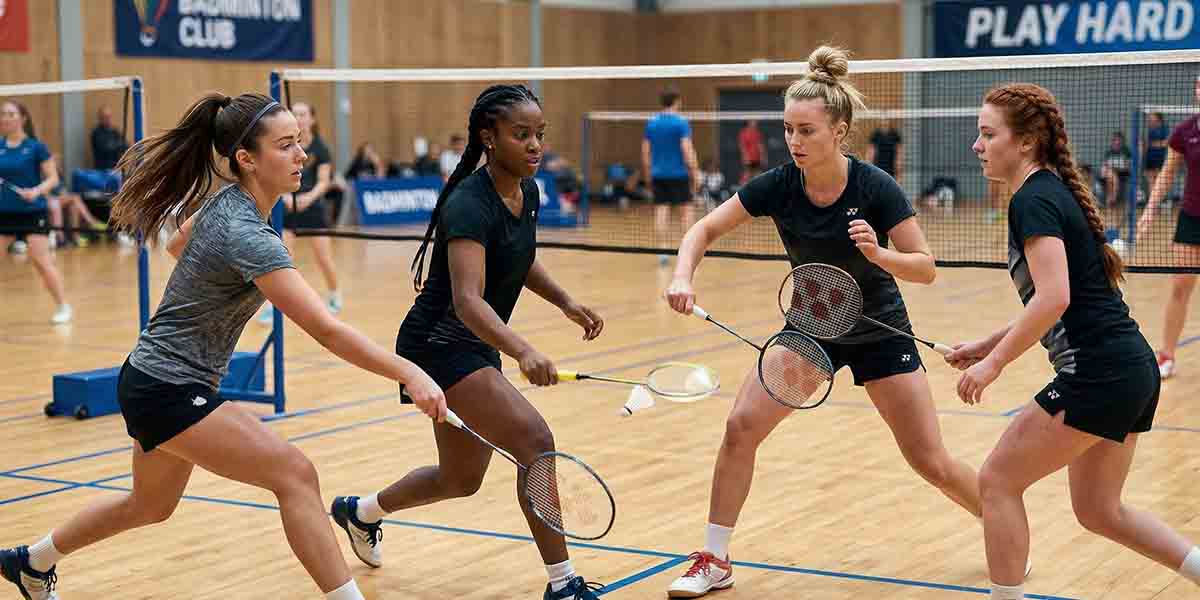
Anyone who has ever played a serious game of badminton knows exactly what happens when your hair is not tied back properly. You are mid-rally, reaching for a sharp cross-court drop shot, and suddenly a strand of hair falls across your face at the worst possible moment.
It throws off your timing, breaks your focus, and can genuinely cost you a point. Hair management on the badminton court is not a small thing — it matters far more than most beginners realise.
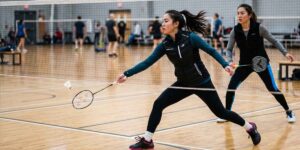
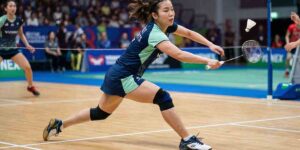
But here is the good news: keeping your hair out of the way does not mean sacrificing how you look. Over the years, women and girls at every level of the game — from weekend recreational players to professional circuit competitors — have found hairstyles that hold up beautifully through an entire match while looking neat and put-together at the same time.
This guide covers the best options, what works for different hair types, and some honest tips on what to avoid.
Why the Right Hairstyle Actually Matters in Badminton
Badminton is a fast game. The shuttlecock can travel at speeds exceeding 300 kilometres per hour in professional play, and even in casual doubles matches, the pace demands quick reflexes, sharp head movement, and the ability to track a small projectile across the court without any visual obstruction. Loose hair, flyaways, or a ponytail that constantly swings into your line of sight can all create problems.
There is also the physical comfort side of things. When you are sweating during an intense game, hair that falls onto your neck and face becomes uncomfortable quickly. Sweat-soaked strands stick to your skin and can even irritate your eyes. A hairstyle that keeps everything secure and off your face is not just an aesthetic choice — it is a performance choice.
Beyond function, there is no reason your on-court look cannot reflect your personal style. Many of the world’s top female badminton players — PV Sindhu, Carolina Marin, Tai Tzu-ying — are recognisable not just by their playing style but also by their signature court looks. Your hair is part of your presence on the court.
| 🎯 What Are You Looking For? | 👉 See Top Picks from Amazon |
|---|---|
| New to badminton? | ⭐ Best Beginner Rackets |
| Want powerful smashes? | ⭐ Best Head Heavy Rackets |
| Play aggressively? | Best Attacking Rackets |
| Prefer ultra-light rackets? | Best Lightweight Yonex Rackets |
| Curious what pros use? | Professional Players’ Rackets |
| Want premium gear? | Most Expensive Badminton Rackets |
| Loyal to Yonex Voltric? | Best Yonex Voltric Series |
The Classic Ponytail: Still the Gold Standard
Ask any female badminton player what they wear their hair in during a match and the ponytail will come up more than any other style. There is a reason for that. A well-secured ponytail keeps virtually all of your hair away from your face and neck, moves with your body without obstruction, and takes about ninety seconds to put together before you walk onto the court.
Making Your Ponytail Court-Proof
A loose ponytail held by a single elastic is going to loosen up within a few minutes of play. The key is layering. Start with a smoothing product or a light gel on damp hair before you style it. Pull everything back tightly — and when you think it is tight enough, give it one more pull. Use a strong, fabric-covered elastic rather than a rubber band, which can cause breakage over time. Once the ponytail is in, take a small section of hair from the base and wrap it around the elastic to hide it and give the whole look a cleaner finish. Secure that wrapped section with a bobby pin underneath.
If you have shorter layers or a lot of flyaways at the front, a small amount of edge control or styling gel applied with your fingers before tying back will make a significant difference. For players with very fine or silky hair that tends to slip out of elastics, a light texturising spray applied before styling gives the hair more grip.
High vs. Low Ponytail: Which Works Better?
A high ponytail sits at the crown of the head and keeps hair away from the back of the neck, which is particularly welcome during a long match in a warm indoor gym. It also tends to look livelier and is slightly more stable because the elastic sits higher and has a shorter length of hair to work against. The main drawback is that very long, heavy ponytails can swing dramatically and feel unbalanced during quick movements.
A low ponytail, sitting at the nape of the neck, is a better choice for players with very long or thick hair because the weight sits lower and feels more stable. It does leave more of the neck exposed to the hair, but many players prefer the cleaner, slightly more professional look of a low ponytail for tournament play.
Braids: The Underrated Champions of Court Hair
If you have never played badminton with your hair in a braid, you are missing out on one of the best combinations of style and practicality available. Braids hold the hair in a fixed structure that does not bounce around the way a loose ponytail does, they keep every strand accounted for, and they look genuinely polished — whether you are playing a local club game or a state-level tournament.
The Classic Three-Strand Braid
A standard three-strand braid down the back is one of the most practical hairstyles you can wear on a badminton court. Pull the hair back into a low ponytail first, then divide it into three sections and braid all the way to the end before securing with an elastic. The braid sits flat against the back and barely moves during play. For girls with medium-length hair, a single braid can look especially neat.
French Braid and Dutch Braid
A French braid, which gathers hair from the top of the head and incorporates it into the braid as you work downward, is one of the very best options for players who have shorter layers at the front of their hair. Because the braid picks up those shorter pieces and weaves them in, there is nothing left loose to fall across the face. It takes a bit of practice to do on yourself, but once you have the technique, it takes about four minutes and holds beautifully for the duration of a match.
A Dutch braid is the inverse of a French braid — the sections cross underneath rather than over, which creates a braid that sits raised on the surface of the hair rather than flat against it. Aesthetically, it looks bolder and more defined. In terms of function, it holds just as well as a French braid and is a great choice if you want something that looks a little more distinctive on the court.
Double Braids
Two braids — one on each side, running parallel down the back — are enormously popular with younger girls playing badminton at school and club level. They are secure, they keep everything symmetrical, and they look playful and energetic without being fussy. Parents of girls who play the game regularly swear by double French braids as a pre-match routine: once you have a system, you can get both braids done in under ten minutes.
Braided Ponytail
A braided ponytail is exactly what it sounds like: you pull your hair back into a ponytail and then braid the length of it before securing the end. This is the best of both worlds — the security and smoothness of a ponytail at the roots, and the neatness and stability of a braid for the rest of the hair. It is particularly good for players with very long hair who find that a free-flowing ponytail gets in the way during overhead shots.
Buns: Compact, Secure, and Tournament-Ready
A bun keeps all of your hair in one compact position on your head. There is no length to swing around, no tail to catch in your peripheral vision, and no ends to come loose during play. For players with very long hair in particular, a well-secured bun is often the most comfortable option for extended play.
The High Bun
Pull the hair up into a high ponytail at the crown of the head, then twist it around the base and wrap it into a bun shape, securing with bobby pins and a second elastic over the top if needed. A high bun keeps your neck completely free, allows maximum airflow during a sweaty game, and gives you a clean, uncluttered look from every angle. Use plenty of bobby pins — at least six to eight — crossed in pairs for maximum hold.
The Low Bun
A low bun sits at the nape of the neck and feels slightly more grounded and stable than a high bun during energetic play. It is a popular choice among more experienced and professional players who prefer a cleaner, less casual aesthetic. The key to making a low bun work during sport is to make sure it is twisted very tightly and pinned thoroughly — a loose low bun will fall apart within the first few minutes of a competitive game.
Braided Bun
If you want to combine the neatness of a braid with the compactness of a bun, braid the length of a ponytail first and then coil the braid around the base into a bun shape. This looks striking, holds exceptionally well because the braid structure adds grip, and is one of those court hairstyles that genuinely earns compliments in the locker room after a match.
Hairstyles for Short Hair
Women and girls with shorter hair sometimes assume they have fewer options for badminton, but that is not really true. Short hair is actually very manageable on the court — there is simply less of it to deal with, which means less can go wrong.
Headbands and Sweatbands
For a short bob or pixie cut, a wide sports headband is the single most effective solution. It keeps any short layers from the front and sides off the face and absorbs sweat at the hairline at the same time. Silicone-grip headbands stay in place far better than fabric ones without the silicone lining — look for this feature when buying one specifically for sport. Many professional players with medium-length hair also use these in combination with a ponytail for double security.
Pinning Shorter Hair Back
For chin-length or jaw-length hair that is too short for a ponytail but long enough to fall across the face, bobby pins used strategically can make all the difference. Pin the side sections back and away from the face before a match, using a light-hold spray to keep flyaways in check. Combined with a headband, this approach keeps short-to-medium hair just as controlled as a long ponytail would for longer hair.
Half-Up Styles for Medium-Length Hair
For hair that sits between the chin and the shoulders — too short for a full ponytail, too long to leave loose — a half-up style works well. Take the top section of hair, pull it back, and secure it into a small ponytail or bun at the crown. The remaining hair sits behind the ears and is unlikely to cause problems during play. A couple of bobby pins at the temples helps anchor any shorter pieces that might otherwise fall forward.
Hair Accessories That Actually Work for Sport
The right accessories can make the difference between a hairstyle that holds through two sets and one that falls apart before the warm-up is over. Not all hair accessories are created equal, and sport places specific demands on them.
- Sports elastics: Look for thick, fabric-covered elastics designed for active use. The thin, clear elastics sold for general use tend to lose their tension quickly when exposed to sweat and frequent use.
- Silicone-grip headbands: These have a strip of silicone on the inner surface that grips the hair and scalp without slipping. They are worth every extra rupee compared to standard fabric bands.
- Bobby pins: Use large, strong ones rated for thick hair even if your hair is fine — they grip more firmly. Cross them in an X shape when pinning for extra hold.
- Spiral hair ties: These coil-shaped elastics distribute tension more evenly across the hair and are less likely to leave a crease or cause breakage at the point of the tie.
- Sweatbands: Wide terry cloth sweatbands around the wrist are standard for badminton players, but a matching one around the head is equally functional and pulls together a coordinated court look.
Tips for Specific Hair Types
Thick and Heavy Hair
Very thick or heavy hair requires extra-strong elastics and more bobby pins than you might think necessary. The weight of the hair works against the elastic over time, so always use at least two elastics when creating a ponytail — one at the base and one slightly further down the length. A bun is often the most comfortable long-term choice for players with dense, heavy hair because it eliminates the weight pendulum effect.
Fine or Slippery Hair
Fine hair has a tendency to slide out of elastics and lose volume quickly, which means a ponytail can feel secure at the start of a match and half-fall by the second game. The solution is texture. Apply a dry shampoo or texturising spray before styling — this roughens the surface of each strand slightly and gives the hair something to grip against. Light-hold hairspray over the finished style also helps. Braids are generally a better long-term option for fine hair than ponytails because the braid structure locks the strands together.
Curly and Coily Hair
Curly and coily hair has its own set of dynamics. It shrinks as it dries, which can make a style look very different halfway through a match compared to how it started. Protective styles — particularly braids, twists, and braid-outs — tend to work best because they account for the hair’s natural texture rather than fighting against it. A pineapple-style high ponytail using a satin or soft fabric scrunchie is popular among women with tighter curl patterns, as it reduces friction and frizz while keeping the volume and shape of the curls intact.
Colour-Treated or Heat-Damaged Hair
Hair that has been chemically treated or heat-styled frequently is more fragile and prone to breakage under tension. Be gentle when pulling hair back — avoid very tight ponytails held in the same position every day, as this can cause traction stress on already weakened strands. Spiral elastics and soft scrunchies are kinder to treated hair than standard rubber-core elastics.
What to Avoid on the Badminton Court
Some hairstyles and accessories that look great off the court are genuinely problematic during play. A few things to keep in mind:
- Loose hair: Playing with completely loose hair is not just a style problem — it is a visibility and safety issue. A strand across your eye at the moment of a smash is not something you want to experience.
- Hard metal accessories: Metal clips, clasps, and decorative pins can be dangerous during close-net play or if you fall. Stick to soft fabric accessories and plastic-based pins during active play.
- Very heavy buns directly on top of the head: A large, heavy bun at the very crown can throw off your balance during quick directional changes, particularly when looking up for overhead shots.
- Loose flyaways at the front with no plan: If you consistently have short pieces at the front that refuse to stay tucked, factor that into your styling from the start — use a French braid or a headband rather than hoping for the best.
- Half-and-half styles with no secondary securing: Styles where half the hair is up and half is loose look attractive but can be problematic in extended play if the loose section is long enough to swing into your face.
Pre-Match Hair Routine: A Simple System
Having a reliable pre-match hair routine saves time and mental energy before a game. Here is a simple system that works for most hair types and most styles:
- Apply a small amount of edge control or styling gel to damp hair at the hairline and brush smooth.
- Pull all hair back and create your chosen style — ponytail, braid, or bun.
- Secure with two or more elastics and at least six bobby pins.
- Apply a light mist of hairspray over the finished style.
- Place a sports headband at the hairline if needed for additional hold.
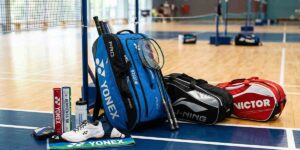
- Keep a few spare elastics and pins in your kit bag for emergency repairs between games.
Final Thoughts
The best badminton hairstyle is ultimately the one you can put together quickly, that stays in place through a full competitive match, and that makes you feel confident stepping onto the court. Whether that is a high ponytail with an elastic wrapped base, a sleek French braid, a tight high bun, or a double Dutch braid combination depends on your hair length, texture, and personal preference.
The key principles are simple: keep everything off your face, secure it well enough to survive an hour or more of intense movement, and make sure you are not fighting with your hair when you should be focused on the shuttle. Get those basics right and everything else — including how good you look on the court — takes care of itself. Build a pre-match routine that becomes automatic, invest in a few good-quality accessories, and experiment with different styles during practice sessions before committing to something new for a tournament. With a little practice, your pre-match hair routine will take less than five minutes — and those five minutes are well worth it.
| 🏸 Need Better Comfort & Performance? | 👉 Explore Top Picks from Amazon |
|---|---|
| Want better grip on court? | ⭐ Best Non-Marking Badminton Shoes |
| Just starting out? | Best Beginner Badminton Shoes |
| Carry gear like a pro? | Best Badminton Bags |
| Confused about string tension? | Best String Tension Guide + Top Strings |
| Need an all-in-one starter kit? | Portable Badminton Racket Sets |
| Protect your eyes during fast rallies? | Best Badminton Glasses |
| Upgrade your court style? | Comfortable Badminton Outfits |
Add comment