
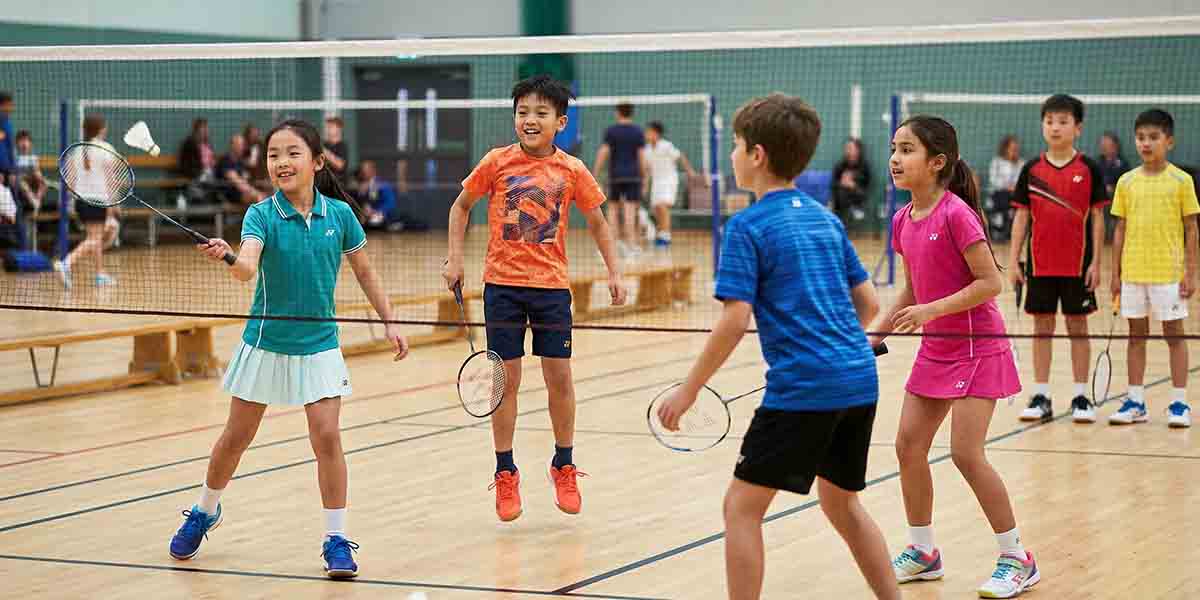
Getting your child into badminton is one of the best things you can do for their physical development and social confidence. But before they step onto the court, there is one thing that parents often overlook — the right clothing. It might seem like a small detail, but what a child wears during badminton can directly affect how well they move, how comfortable they feel, and ultimately how much they enjoy the sport.
Unlike casual play in the backyard, badminton — even at the beginner or recreational level — involves a lot of quick side-to-side movement, jumping, reaching, and lunging. Kids need clothing that keeps up with all of that without getting in the way. This guide walks you through everything you need to know about dressing your young badminton player, from choosing the right fabrics to picking outfits that actually look good on the court.
Why the Right Clothing Matters for Young Badminton Players
A lot of parents assume that any sportswear will do for badminton. After all, the child is just playing a racket sport — how demanding could it be? The answer might surprise you. Badminton is one of the fastest racket sports in the world, and even kids playing at a basic level need to sprint to reach shuttle drops, twist their torsos sharply, and maintain balance through constant directional changes.
Wearing the wrong type of clothing can cause chafing during long rallies, restrict movement when reaching for shots, create distracting discomfort from sweat buildup, and even cause overheating in indoor gyms. Good badminton clothing, on the other hand, moves with the body, manages moisture efficiently, and lets kids focus entirely on the game.
The Foundation: Choosing the Right Fabric
Before you think about style or color, fabric is the single most important factor when shopping for kids’ badminton clothing. Here is what to look for:
Polyester and Nylon Blends
Most sports brands design their performance wear using polyester or polyester-nylon blends, and for good reason. These synthetic fabrics are lightweight, dry quickly, and handle repeated washing without losing their shape. For active kids who are sweating through practice sessions, polyester is far superior to cotton because it pulls moisture away from the skin rather than soaking it in.
Moisture-Wicking Technology
Many modern sportswear brands treat their fabrics with moisture-wicking technology that actively moves sweat to the outer surface of the fabric, where it evaporates faster. This keeps children dry and comfortable throughout long practice sessions or tournaments. If you see labels like Dri-FIT, Climalite, or similar branded terms, they are referring to this kind of treatment.
Stretch and Flexibility
Look for fabrics that have at least a small percentage of elastane or spandex mixed in. Even two to five percent elastane makes a significant difference in how the fabric moves with the body. This is especially important in bottoms — shorts or skirts that bunch up or pull tight during lunges will frustrate a young player quickly.
Why Cotton is Not Ideal
Cotton is comfortable for casual wear, but it is one of the worst choices for active sports. It absorbs sweat and holds onto it, becoming heavy and clingy during play. In cooler indoor environments, this can make children feel cold and damp. Save the cotton T-shirts for after the game.
| 🎯 What Are You Looking For? | 👉 See Top Picks from Amazon |
|---|---|
| New to badminton? | ⭐ Best Beginner Rackets |
| Want powerful smashes? | ⭐ Best Head Heavy Rackets |
| Play aggressively? | Best Attacking Rackets |
| Prefer ultra-light rackets? | Best Lightweight Yonex Rackets |
| Curious what pros use? | Professional Players’ Rackets |
| Want premium gear? | Most Expensive Badminton Rackets |
| Loyal to Yonex Voltric? | Best Yonex Voltric Series |
Tops: What Works Best for Boys and Girls
For Boys
Boys’ badminton tops should be loose enough to allow free arm movement but not so baggy that they catch the air or get in the way of the racket swing. The best options include:
- Round-neck polyester T-shirts with raglan sleeves — these cut the sleeve from the collar diagonally, giving extra room at the armhole without adding bulk at the shoulder.
- Sleeveless athletic vests for warmer conditions — these give complete arm freedom and work well for older boys who are playing more competitively.
- Polo-style sportswear tops if the club has a formal kit — some academies and school teams require a collared look.
For Girls
Girls have more flexibility in top styles, but the same performance rules apply. Some popular options that work well are:
- Fitted athletic T-shirts that stay in place during overhead shots — these avoid the issue of loose fabric lifting up mid-game.
- Racerback tank tops with built-in chest support — a great option for older girls, as the narrow back strap eliminates shoulder interference during swings.
- Short-sleeved athletic tops with mesh paneling on the back — these add ventilation in the area that tends to sweat the most.
A Note on Fit
Whether you are shopping for a boy or a girl, always check that the top allows full arm rotation without pulling at the seams. Have your child raise both arms above their head and swing side to side in the store if possible. If the shirt rides up or restricts movement, try the next size up.
Bottoms: Shorts, Skirts, and Skorts
Shorts for Boys and Girls
Athletic shorts are the go-to choice for most young badminton players. The ideal length sits just above the knee — long enough not to restrict a wide lunge, but short enough not to get tangled during low shots. Look for an elastic waistband with an internal drawstring for a secure fit that stays put during intense rallies. Side slits or gusset panels at the inner thigh add extra mobility without making the shorts look too large.
Skirts and Skorts for Girls
Many girls playing badminton, particularly those who have watched professional players, prefer skirts or skorts. A skort — a skirt with built-in shorts underneath — is perhaps the most practical option for younger girls, as it combines the look of a skirt with the coverage and movement comfort of shorts. Make sure the built-in shorts are snug but not tight, and that the outer skirt does not extend past mid-thigh, as longer skirts can interfere with movement.
Leggings: A Winter Option
During colder months or in gyms with aggressive air conditioning, athletic leggings made from a thin polyester-spandex blend can work well for girls. They provide warmth without restricting movement. For boys in cooler conditions, athletic tracksuit bottoms in a slim-fit style are a reasonable alternative to shorts — just avoid anything with thick padding or excessive fabric around the knees.
Socks: The Unsung Hero of Badminton Kit
Most parents do not give socks a second thought, but for badminton players — including young ones — the right socks genuinely matter. Badminton involves a lot of quick direction changes on hard indoor surfaces, which means the foot slides inside the shoe with every pivot. A good badminton sock has extra cushioning in the heel and ball of the foot to absorb impact, a snug ankle fit that prevents the sock from slipping down, and moisture-wicking fibers to keep feet dry and blister-free.
Ankle-length or crew-length sports socks both work fine. Avoid thin fashion socks or any sock with minimal padding, as these offer no protection during extended court play. Brands that specialize in badminton accessories often sell dedicated badminton socks, but any quality sports sock from a reputable brand will do the job for beginners.
Shoes: Completing the Outfit the Right Way
Technically shoes are not clothing, but no discussion of what kids wear for badminton is complete without mentioning footwear. Badminton is always played on indoor courts, which means running shoes or cross-trainers are not appropriate — their thick, rubberized outsoles can damage the court surface and do not provide the lateral support that badminton demands.
A proper badminton shoe for children should have:
- A non-marking gum rubber sole that grips the court without leaving black streaks
- A low profile that keeps the foot close to the ground for better balance
- Good lateral support to protect the ankles during side-to-side movements
- A breathable upper to keep feet cool during play
Color and Style Ideas for Young Players
Performance matters more than aesthetics, but that does not mean kids have to wear boring colors. Getting a child excited about their kit can actually motivate them to practice more and feel more confident on the court. Here are some color and style ideas worth considering.
Bright and Bold Colors
Younger children often gravitate toward bright, vivid colors — electric blue, neon green, coral red, or sunshine yellow. These colors look great under the bright lighting of an indoor badminton hall and make it easy for coaches and parents to spot their player on a busy court. Many sports brands now offer junior lines in a wide range of vibrant shades, so there is no shortage of options.
Two-Color Combinations
A clean two-color combination — like a navy top with white shorts, or a red top with black shorts — always looks sharp and put-together without requiring a matching set. This approach also makes it easier to mix and match pieces as the child grows, since you are not depending on a specific set staying together.
Matching Sets for Girls
Many sportswear brands now offer coordinated sets for girls that include a top, a skort, and sometimes even matching socks. These are especially popular for junior tournaments where having a polished, uniform look can boost a young player’s confidence. Some sets even come with a small accessories pouch that holds a hair tie — a thoughtful detail for girls who play with their hair up.
Club and Team Colors
If your child plays for a school team or a local badminton club, their kit colors may already be decided for them. In this case, focus on getting the right fit and fabric within those color constraints. Many clubs have a supplier they work with, so check with the coach before buying — there may be an official team kit available at a reasonable price.
Age-Specific Clothing Tips
Ages 4 to 7: Keep It Simple and Comfortable
Very young children who are just starting to play should be dressed for maximum comfort and ease of movement above all else. At this age, children are still developing their coordination and will spend a lot of time bending, falling, picking things up, and generally being unpredictable on the court. Soft, flexible fabrics in pull-on styles — no zips, no fiddly buttons — are ideal. A simple T-shirt and shorts combination in any stretchy performance fabric is all they need.
Ages 8 to 11: Building Good Habits
Children in this age group are often playing in more structured environments — school PE classes, junior clubs, or weekend tournaments. This is a good time to start introducing proper badminton-specific sportswear, including moisture-wicking tops and well-fitted shorts or skorts. Socks with extra cushioning become more important at this stage as the child is spending more time on the court and working harder physically.
Ages 12 and Above: Performance Gear Starts to Matter More
Older children who are playing competitively will benefit from the more technical end of junior sportswear. At this stage, the fit needs to be more precise — not too loose, not too tight — because technique becomes more critical and ill-fitting clothing can genuinely affect performance. For girls approaching their teenage years, sports bras or crop tops with built-in support become a practical consideration as well.
Layering for Warm-Up and Cool-Down
One thing many parents forget is that children need appropriate clothing for before and after play, not just during it. When arriving at an indoor sports hall, especially in winter, kids should wear a light warm-up layer over their court clothes. A zip-up sports jacket or a lightweight hoodie in a matching color to their kit is ideal — it keeps muscles warm during the pre-game warm-up and can be taken off quickly once the body temperature rises.
After play, replacing the sweat-damp top with a fresh layer is important for preventing children from getting cold quickly. Keeping a spare dry T-shirt in the badminton bag is a simple habit that makes a real difference to comfort and health during the cooler months.
Accessories Worth Considering
Sweatbands
Wrist sweatbands are popular among young badminton players because they prevent sweat from running down the arm and onto the racket grip. A wet grip reduces control significantly, which is especially problematic during a competitive match. Sweatbands also make children feel like proper athletes, which can be a small but meaningful confidence boost. They are inexpensive and come in a huge variety of colors, making them an easy way to personalize a plain kit.
Hair Accessories
For girls with longer hair, keeping hair tied up during play is essential. Loose hair can block vision at critical moments and create unnecessary distractions. A sports headband can keep shorter layers out of the face, while a tight ponytail or braid secured with a strong hair tie is best for longer hair. Avoid accessories with hard plastic parts that could cause injury if a child falls.
Grip Gloves
Some younger players, particularly those just starting out, benefit from a grip glove on their racket hand. These lightweight gloves absorb sweat and improve grip on the racket handle. They are not strictly necessary but can be helpful for children who struggle with a secure grip, particularly in the early stages of learning.
Washing and Care Tips
Good sportswear is an investment, and with proper care it can last through multiple growth spurts and hundreds of hours of play. Always wash performance fabrics in cool or warm water — hot water breaks down the elastane fibers and destroys moisture-wicking treatments over time. Avoid fabric softeners entirely with sportswear, as they coat the fibers and reduce their ability to wick moisture. Instead, use a sports-specific laundry detergent if possible.
Tumble drying on high heat is another common mistake — most sportswear should be air-dried or dried on a low heat setting to preserve the fabric’s stretch and shape. Turning garments inside out before washing protects any printed logos or designs from fading. With these simple habits in place, a quality junior badminton kit should easily last a full season or longer.
Budget Tips for Parents
Children grow quickly, and buying expensive sports kits can feel like a frustrating exercise in futility when a child outgrows their kit in six months. Here are a few ways to manage the budget sensibly without compromising on quality or comfort.
- Buy one size up: Performance fabrics with stretch can accommodate a slightly larger fit without looking or feeling sloppy. Buying one size up gives an extra few months of wear, which matters a lot for fast-growing kids.
- Check sports retailer sales: Major sports retailers frequently run end-of-season sales where junior sports kits are reduced significantly. Stocking up on the next size during a sale can save a surprising amount over a year.
- Look at badminton club hand-me-down programs: Many junior badminton clubs run informal systems where families donate outgrown kit for other members. It is worth asking your club coordinator about this.
- Focus spending on shoes and socks: These are the items that make the biggest functional difference, so prioritize quality here and spend less on tops and bottoms if needed.
Bringing It All Together
Dressing a child for badminton does not need to be complicated or expensive, but it does deserve more thought than simply grabbing the nearest sportswear off the rack. The right clothing — breathable, flexible, well-fitted, and made from moisture-wicking fabric — genuinely supports a young player’s development by keeping them comfortable, confident, and able to move freely throughout every session.
Start with the basics: a good technical T-shirt, well-fitted shorts or a skort, quality ankle socks, and proper indoor badminton shoes. Layer appropriately for warm-up and cool-down, and add small accessories like wristbands or a sports headband as needed. Let the child have a say in the colors and style — when kids feel good in what they are wearing, they play with more enthusiasm and energy.
Badminton is a sport that rewards consistency and dedication. With the right kit backing them up, your young player will have one less thing to worry about and one more reason to love every moment they spend on the court.
| 🏸 Need Better Comfort & Performance? | 👉 Explore Top Picks from Amazon |
|---|---|
| Want better grip on court? | ⭐ Best Non-Marking Badminton Shoes |
| Just starting out? | Best Beginner Badminton Shoes |
| Carry gear like a pro? | Best Badminton Bags |
| Confused about string tension? | Best String Tension Guide + Top Strings |
| Need an all-in-one starter kit? | Portable Badminton Racket Sets |
| Protect your eyes during fast rallies? | Best Badminton Glasses |
| Upgrade your court style? | Comfortable Badminton Outfits |

Add comment