
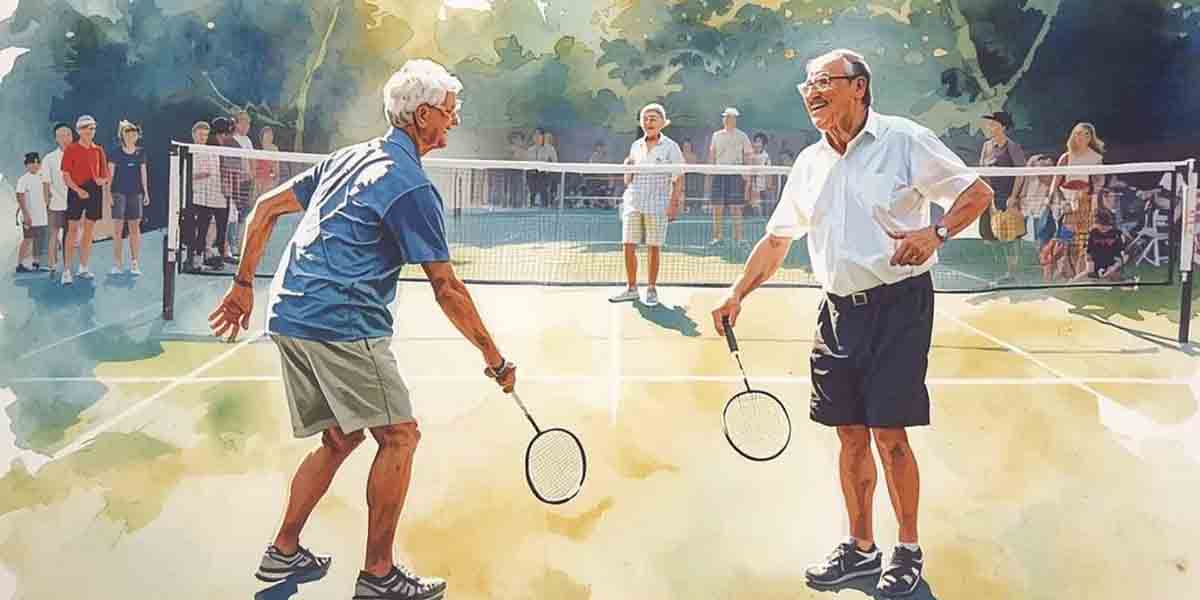
You know what? Age is just a number, especially when it comes to badminton.
I see this all the time at my local sports club—people in their 60s and 70s smashing shuttlecocks with more energy than some teenagers I know. Sure, you might not move as fast as you did at 25, but here’s the beautiful truth: badminton at an older age can be even more enjoyable because you play smarter, not harder.
So can you play badminton in your golden years? Absolutely, yes! Let me show you exactly how to do it right.
| 🎯 What Are You Looking For? | 👉 See Top Picks from Amazon |
|---|---|
| New to badminton? | ⭐ Best Beginner Rackets |
| Want powerful smashes? | ⭐ Best Head Heavy Rackets |
| Play aggressively? | Best Attacking Rackets |
| Prefer ultra-light rackets? | Best Lightweight Yonex Rackets |
| Curious what pros use? | Professional Players’ Rackets |
| Want premium gear? | Most Expensive Badminton Rackets |
| Loyal to Yonex Voltric? | Best Yonex Voltric Series |
Why Badminton is Perfect for Older Adults
Unlike high-impact sports like running or basketball that pound your joints, badminton is surprisingly gentle on your body when played at a recreational pace. You’re moving, yes, but you control the intensity. You can play doubles instead of singles, take breaks between games, and adjust your speed to what feels comfortable.
My neighbor, Mr. Olive, started playing badminton at 58 after his doctor told him he needed more activity. He was nervous at first, thinking he was “too old” for sports. Five years later, he plays three times a week and says it’s the best decision he ever made for his health and social life.
But—and this is important—you need the right approach, the right gear, and the right mindset.
Talk to Your Doctor First (Yes, Really)
I know, I know. You’re thinking, “It’s just badminton, not mountain climbing!” But hear me out.
A quick chat with your doctor, especially if you have any existing conditions like heart issues, joint problems, or high blood pressure, is just smart planning. They might give you tips specific to your situation, or they might just give you the green light and send you on your way.
Think of it as getting your car serviced before a road trip. Better safe than sorry.
The Best Accessories for Older Badminton Players
Now, let’s talk about the gear that’ll make your badminton experience comfortable and safe.
1. The Right Racket Makes All the Difference
Forget those heavy, old-school rackets. You want something lightweight—ideally between 80-90 grams. Look for rackets made from graphite or carbon fiber. They’re easier on your wrist and arm, which matters more as we age.
Brands like Yonex, Li-Ning, and Victor make excellent lightweight rackets specifically designed for recreational players. I’d recommend going to a sports store and actually holding different rackets to see what feels comfortable in your hand.
A flexible shaft is also your friend. It gives you more power with less effort, so you’re not straining your shoulder with every shot.
2. Knee Support is Non-Negotiable
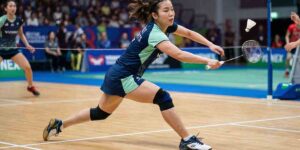
Here’s something I wish someone had told me earlier: knee sleeves or braces are game-changers for older players.
My friend Margaret ignored this advice and paid for it with sore knees after every game. Once she started wearing compression knee sleeves, she could play longer and recover faster. They provide gentle support and warmth to your joints without restricting movement.
Look for breathable, moisture-wicking knee supports that won’t slip down during play. Brands like Bauerfeind, Mueller, or even basic ones from Decathlon work well.
3. Elbow and Wrist Support
Tennis elbow isn’t just for tennis players—badminton can strain your elbow and wrist too, especially if you’re not used to the repetitive motions.
A simple compression elbow sleeve can prevent strain and soreness. For your wrist, consider a lightweight wrist band or wrap if you feel any discomfort. Don’t wait until you’re in pain to use these; prevention is always easier than treatment.
4. Quality Court Shoes Are Essential
This is where you shouldn’t cut corners. Regular running shoes or sneakers won’t cut it for badminton.
You need non-marking court shoes with good grip, ankle support, and cushioning. The quick lateral movements in badminton require shoes that can handle side-to-side motion, not just forward movement.
Yonex, ASICS, and Li-Ning make excellent badminton shoes with extra cushioning for older players. Look for shoes labeled “comfortable” or “cushioned” rather than “speed” or “professional.”
Trust me, the right shoes will protect your ankles, knees, and back. They’re worth every penny.
5. A Good Sports Bag
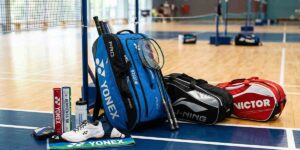
You’ll need something to carry all this gear! A medium-sized sports bag with separate compartments for your racket, shoes, clothes, and a water bottle will keep everything organized.
Some bags even have thermal compartments to keep your water cold—a nice touch for those post-game cool-downs.
6. Don’t Forget the Small Stuff
- Water bottle: Hydration is crucial. Get an insulated one that keeps water cold.
- Sweatbands: For your forehead and wrists to keep sweat out of your eyes and maintain grip.
- Small towel: To wipe down between games.
- Grip tape: Extra grip tape for your racket handle ensures you always have a fresh, non-slip grip.
| 🏸 Need Better Comfort & Performance? | 👉 Explore Top Picks from Amazon |
|---|---|
| Want better grip on court? | ⭐ Best Non-Marking Badminton Shoes |
| Just starting out? | Best Beginner Badminton Shoes |
| Carry gear like a pro? | Best Badminton Bags |
| Confused about string tension? | Best String Tension Guide + Top Strings |
| Need an all-in-one starter kit? | Portable Badminton Racket Sets |
| Protect your eyes during fast rallies? | Best Badminton Glasses |
| Upgrade your court style? | Comfortable Badminton Outfits |
What to Wear: Comfortable and Practical Clothing
Forget fashion—comfort and functionality are what matter on the badminton court.
For Men:
Top: A moisture-wicking, breathable sports t-shirt or polo. Look for materials like polyester or special quick-dry fabrics. Avoid cotton—it absorbs sweat and becomes heavy and uncomfortable.
Brands like Nike, Adidas, Yonex, and even affordable options from Decathlon have excellent breathable sports shirts. Choose lighter colors if you’re playing outdoors; they reflect heat better than dark colors.
Bottom: Comfortable sports shorts with an elastic waistband or drawstring. Make sure they’re not too loose (tripping hazard) or too tight (restricts movement). Shorts with pockets are handy for keeping an extra shuttle or your phone.
Alternatively, lightweight track pants work great if you prefer more coverage or are playing in air-conditioned halls.
Inner Support: Don’t skip proper athletic underwear or compression shorts. They provide support and prevent chafing during movement.
For Women:
Top: A moisture-wicking sports t-shirt or a comfortable sports tank top with a built-in shelf bra for light support. If you need more support, wear a proper sports bra underneath.
Look for breathable fabrics with mesh panels for extra ventilation. Brands like Yonex, Li-Ning, and even Nike or Adidas have specific badminton wear for women.
Bottom: Sports skorts (skirt with built-in shorts) are popular in badminton because they’re comfortable, allow full movement, and have pockets for shuttles. Otherwise, regular sports shorts or capri-length leggings work perfectly.
Choose materials that stretch and move with you—spandex blends are ideal.
Sports Bra: This is important! A good sports bra with medium support will keep you comfortable during movement. High-impact bras aren’t necessary for badminton, but you want something more supportive than everyday bras.
General Clothing Tips:
- Avoid loose or baggy clothes that might catch the shuttle or restrict your movement
- Go for light, bright colors if playing outdoors in warm weather
- Layer up if playing in cold or air-conditioned environments—a light zip-up jacket you can remove is perfect
- Socks matter: Wear cushioned, moisture-wicking sports socks that come up to your ankle for protection
- Headband or cap: If you have longer hair or sweat a lot, keep your vision clear
Playing Smart: 6 Tips for Older Adults
Having the right gear is half the battle. The other half is playing intelligently.
1. Start Slow and Warm Up Properly
Spend at least 10-15 minutes warming up before you play. Gentle jogging, arm circles, leg swings, and light stretching will prepare your muscles and reduce injury risk.
My club has a golden rule: “If you don’t warm up, you don’t play.” It might sound strict, but it’s kept our older members injury-free for years.
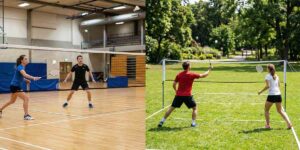
2. Play Doubles, Not Singles
Doubles badminton is perfect for older players. You cover less court, share the workload with a partner, and the game is more about strategy and placement than pure speed and power.
Singles can be exhausting and put more strain on your body. Save that for when you’re feeling particularly energetic, if at all.
3. Listen to Your Body
Feel a twinge in your knee? Take a break. Shoulder feeling tight? Stop for the day. Pushing through pain at our age doesn’t make us heroes—it makes us candidates for injury.
There’s always another game, another day.
4. Focus on Technique, Not Power
You don’t need to smash the shuttle like a 20-year-old. Good placement, smart drops, and clever net shots will win you more points than trying to hit winners every time.
Watch professional doubles players—they win through strategy, not just power.
5. Stay Hydrated and Take Breaks
Drink water before, during, and after playing. Don’t wait until you’re thirsty. And take breaks between games. There’s no shame in sitting one out or resting for 10 minutes.
6. Find the Right Playing Partners
Play with people around your age and skill level. Competitive games are fun, but constantly playing against much younger or much better players can be frustrating and exhausting.
Look for recreational groups, senior clubs, or community centers with badminton programs specifically for older adults.
Making It a Lifestyle
The best part about taking up badminton later in life isn’t just the exercise—it’s the community.
Mr. Olive, the neighbor I mentioned earlier, didn’t just gain a hobby. He gained a whole friend group. They play badminton twice a week, grab tea afterward, and organize weekend tournaments. His wife jokes that he’s busier now than when he was working.
That’s what badminton can give you: movement, mental stimulation, social connection, and fun.
Your First Steps
Ready to start? Here’s your action plan:
- Get medical clearance from your doctor
- Invest in good court shoes and a lightweight racket (your two most important purchases)
- Buy comfortable, moisture-wicking clothes and knee support
- Find a local club or community center with recreational badminton sessions
- Start with once or twice a week and build from there
- Focus on enjoying the game, not winning
Remember, you’re not training for the Olympics. You’re playing for health, happiness, and maybe a little friendly competition.
Age doesn’t retire you from badminton—it just teaches you to play it differently. And honestly? That’s when it becomes most enjoyable.
So grab that racket, lace up those shoes, and get on the court. Your best badminton years might just be ahead of you.


Add comment